
Maryland Continues to Fight Invasive Fish Species
Alisha Yocum
Our August issue is one of our most popular—our “Fishy Pics” issue! We love seeing readers share photos of themselves and their families enjoying the great outdoors, grinning with pride as they show off their summer catches.
It also seems like a great time to remind anglers and residents about the invasive fish species threatening our local waterways. Did you know the Maryland Department of Natural Resources (DNR) has a dedicated Invasive Fishes Program? Its mission is to manage and reduce the ecological damage caused by invasive fish—most notably the Northern Snakehead, Blue Catfish, and Flathead Catfish.
These species are resilient, adaptable, and, unfortunately, very effective at outcompeting native fish.
The Invaders: A Closer Look
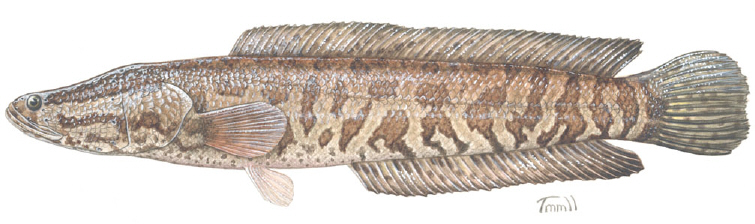
Chesapeake Channa (Northern Snakehead)
Perhaps the most infamous of the invasive trio, the Northern Snakehead is native to Asia and was first discovered in Maryland waters in 2002. Known for its eel-like body and fearsome, toothy mouth, the snakehead can breathe air and survive for days out of water, making it a particularly difficult species to contain. They prefer stagnant shallow ponds, swampy areas, or places with slow-moving streams, where they are aggressive eaters of native fish, freshwater crustaceans, and amphibians.
The meat of snakehead is comparable to flaky white fish, like halibut, whiting, or rockfish.
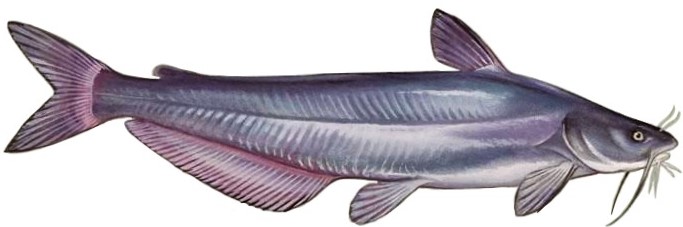
Blue Catfish
Originally introduced to the James River in Virginia in the 1970s for sport fishing, the Blue Catfish has since spread aggressively through the Chesapeake Bay tributaries. These catfish can weigh over 100 pounds and live for more than two decades. They prey on many local species, including blue crab, clams, American shad, American eel, and white perch. These fish can grow up to 100 pounds and are the largest catfish in North America.
The Blue Catfish is known for its mild, flaky, and clean-tasting flesh, with a taste similar to striped bass. Some say they are tastier than the native catfish, as they are not bottom feeders and thus don’t acquire a muddy taste.
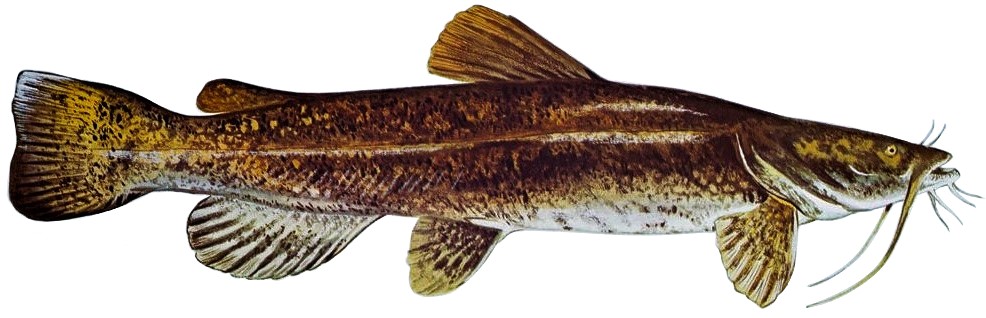
Flathead Catfish
The Flathead Catfish is another non-native predator, originally from the Mississippi River basin. Unlike Blue Catfish, flatheads prefer live prey and are often found in deep holes and slow-moving waters, where they feed on American eels, American shad, river herring, sunfishes, crustaceans, and other native fish. They are particularly harmful to sunfish and bass populations. These catfish can grow up to 100 pounds and are the second-largest catfish in North America.
Some say these catfish have a slightly sweet and mild taste, similar to other freshwater game fish like bass or walleye.
Management Strategies
The Invasive Fishes Program uses a combination of methods to control populations: electrofishing surveys, angler education, targeted removals, and partnerships with local fishing communities. Public involvement plays a key role.
The Maryland DNR encourages people to fish for these species and not release them back into the water. You can also help the effort by completing the invasive species online each time you make a catch on DNR’s website.
There are also efforts to encourage culinary use for these invaders. Northern Snakehead and Blue Catfish are both considered tasty, and local chefs have begun including them on their menus as a sustainable seafood option.
Even with all these efforts, it is very rare to eradicate invasive species. However, through monitoring, control, and public awareness, we can mitigate their impact and help protect native species and habitats.
What You Can Do
Catch and keep invasive species—don’t release them!
Report sightings of snakehead or other unusual fish to your state DNR.
Try invasive fish recipes—it’s a delicious way to help the environment.
Stay informed through local conservation newsletters or community workshops. Visit the Maryland DNR’s Invasive Species Program at https://dnr.maryland.gov/fisheries/Pages/invasive-fish.aspx.
Try A New Recipe
Snakehead, Flathead Catfish, or Blue Catfish. Now what?
Try one of these tasty recipes from Maryland’s Department of Agriculture, including the recipe for Curried Catfish with Fried Rice Cakes on the next page. Visit https://marylandsbest.maryland.gov/.
Curried Catfish with Fried Rice Cakes
Ingredients
Pan Fried Catfish
• 2 lbs wild caught blue catfish cut
into 8 oz. portions
• Salt and pepper to taste
• 1 tbsp. cooking oil
Red Curry Sauce
• 1 tbsp. canola oil
• 13.5 oz. coconut milk (6 cans)
• 4 oz. red curry paste
• 1 cup light brown sugar
• 1/2 tsp. white pepper
• 1/2 tsp. garlic powder
• 1/2 tsp. ginger
• 2 tbsp. fish sauce
• 1 cup soy sauce
• 1/4 cup lime juice
• 1 red pepper, julienned
• 1 carrot, peeled and julienned
• 1/2 onion, julienned
• 1 pint tomatoes whole
• 1 scallion sliced
• 2 tbsp. Golden Mountain
seasoning sauce
Fried Rice Cakes
• 1/2 onion, minced
• 1 carrot, peeled and minced
• 2 shiitake mushrooms, minced
• 4 qts. jasmine rice, precooked
• 2 eggs
• 1 cup soy sauce
• Salt and pepper to taste
Instructions
Fried Rice Cakes
1. In a wok, cook two eggs over medium heat until set. Scramble the eggs, then add precooked jasmine rice, stirring until the rice begins to stick.
2. Season with 1 cup of soy sauce, salt, and pepper to taste. Stir vigorously to combine.
3. Transfer to a greased sheet pan, press evenly, and refrigerate to cool. For best results, do this step in advance.
4. Once cooled, cut the rice into desired
sizes.
Red Curry Sauce
1. Heat 1 tbsp. of canola oil in a pot. Add red curry paste and cook until fragrant.
2. Whisk in coconut milk until combined with the curry paste. Then, add light brown sugar, spices, fish sauce, soy sauce, and lime juice. Adjust seasonings to taste.
3. Bring to a boil, then remove from heat and set aside.
Prep Vegetables
1. Julienne red pepper, carrot, and onion. Slice scallions.
2. In a hot wok, sauté julienned vegetables and whole tomatoes with 2 tbsp. of Golden Mountain seasoning sauce until tender.
Fry Rice Cakes
1. Fry pressed rice squares in a well-greased pan for 5-7 minutes, depending on thickness, until crispy and golden.
Pan-Fry Catfish
1. Remove skin from catfish, pat dry, and season with salt and pepper.
2. In a well-greased pan, fry each side for 6-8 minutes until a golden crust forms and the fish is cooked through and flakes easily.
3. Serve the pan-fried catfish topped with the warm red curry sauce and accompanied by the crispy fried rice cakes.
Enjoy this delightful fusion of flavors and textures!
