
health Matters
Tips for a Healthy Heart
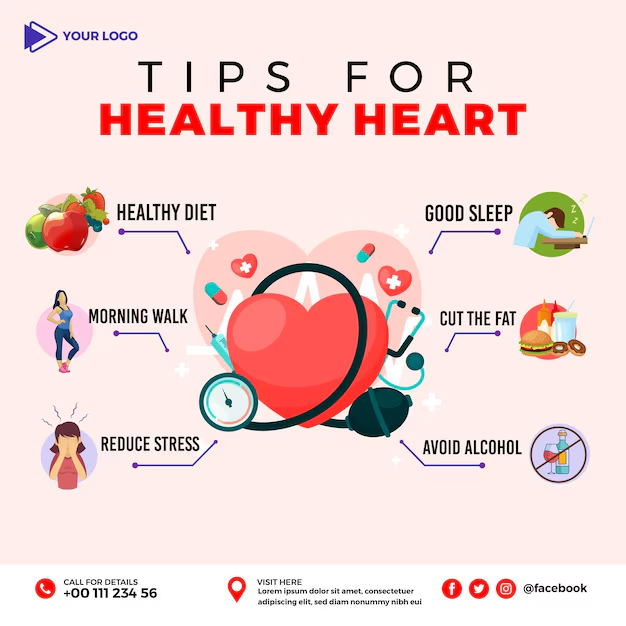
by Dr. Thomas K. Lo, Advanced Chiropractic & Nutritional Healing Center
Eat Heart-Healthy Foods
Start taking care of your heart by eating a diet full of heart-healthy foods. What you eat directly influences the health of your heart, and eating healthy food helps to reduce the risk of heart complications, including heart valve disorders.
High-fiber Foods
Foods that are rich in fiber, like oats and gluten-free grains (including brown rice, amaranth, millet, buckwheat, and quinoa), can help to regulate cholesterol levels, which may lower your risk of coronary heart disease.
Omega-3 Foods
Foods containing omega-3 fatty acids, like wild salmon, mackerel, herring, sardines, anchovies, walnuts, chia seeds, and flaxseeds, help to reduce inflammation and lower blood pressure, which may reduce your risk of stroke.
Leafy Greens
Leafy green vegetables, like kale, spinach, arugula, and collard greens, are packed with heart-healthy nutrients such as vitamin A, folate, magnesium, and potassium. Adding greens to your meals to fight chronic disease may reduce your risk of heart problems.
Berries
Berries, including blueberries, blackberries, strawberries, and raspberries, are packed with disease-fighting antioxidants. Berries can help to reduce inflammation, normalize blood pressure, reduce LDL cholesterol, and promote a healthy body weight.
Eggs
There are many health benefits of eggs, including their ability to reduce the risk of heart disease and fight inflammation. Eggs also work to regulate cholesterol absorption, helping to balance the ratio of LDL and HDL cholesterol.
Herbs and Spices
Herbs and spices have anti-inflammatory properties that can support the health of your heart. Some great options are turmeric, raw garlic, cinnamon, ginger, and rosemary.
Eating the right foods is important for maintaining the health of your heart, but so is avoiding inflammatory, unhealthy foods. So, try to avoid refined carbs, which are used to make processed and packaged foods like cookies, crackers, chips, and muffins. Skip the soda and other sweetened beverages. Cut out foods that are high in trans fats (like margarine), and try to avoid processed meats.
Stay Active
It’s important to stay active by adding some physical activity to your daily routine. Exercise can help reduce chronic disease and promote heart health by lowering high blood pressure, increasing HDL cholesterol, and improving blood circulation.
Try 30 minutes of exercise/movement five days per week. Some options are walking, running, biking, yoga, Pilates, calisthenics, and lifting weights. For people with heart health issues, it may be necessary to avoid exercise that makes you short of breath. If you have a pre-existing heart condition, talk to your health care provider about the best forms of exercise for you.
Quit Smoking
Most people know that smoking is terrible for your health; in fact, it’s the leading cause of preventable illness and death. It goes without saying that to really take care of your heart, you need to quit smoking.
Quitting smoking can certainly be tough, which is why it needs to be addressed physically, behaviorally, and cognitively. Research shows that a combination of therapies can double or triple the chances of being successful. This is because of the mind-body connection that influences emotions and behaviors.
To quit smoking, try mind-body practices, like meditation, yoga, spinal manipulation, acupuncture, and massage therapy. This will help you deal with the emotional and behavioral withdrawal symptoms that make it so hard to quit for good.
Reduce Stress
When stress is left unmanaged, it can lead to an inflammatory response that affects the health of your heart and other major organs.
Chronic stress predicts the occurrence of coronary heart disease and increases your risk of life-threatening cardiac events.
It is important to reduce stress in your life. You can do this by adding natural stress relievers into your daily routine, like taking walks outside, meditating, spending time with family and pets, getting enough sleep, and exercising. It can also be helpful to use relaxing, stress-reducing essential oils like lavender, lemongrass, and ginger.
If these lifestyle changes alone don’t help, and the stress is overwhelming, consider seeking professional help from a therapist who specializes in stress reduction.
Maintain Healthy Weight
Studies show that excess weight is associated with increased risk of heart disease among men and women. If this is something you’ve been struggling with for a while, then taking care of your heart could be a good motivator.
To lose weight in a healthy way, make a plan that involves eating healthy, anti-inflammatory foods and engaging in physical activity that you love (like walking outdoors, dancing, or doing yoga) a few times per week and tracking your progress. It can be helpful to work out with a group, use social networks to keep you accountable, and work with a health coach or dietician if you are unsure about what foods to eat.
Use Heart-Healthy Supplements
Eating a well-balanced and healthy diet will ensure that you are getting the nutrients you need for optimal health, but there are some supplements that can give your heart extra support. They can help reduce inflammation and promote heart health, such as omega-3 fish oil, curcumin, coenzyme Q10, and vitamin D. Always check with your health care provider before taking any supplement.
Keep Up Dental Hygiene
It may seem strange to focus on dental hygiene to help promote the health of your heart, but an endocarditis infection that can cause an abnormal heart murmur can be caused by the spread of bacteria in your gums and tooth decay. If bacteria enters your bloodstream, it can damage the heart valves and lead to a heart murmur and other serious symptoms.
So, make sure you take care of your dental hygiene. Floss and brush your teeth, and see your dentist regularly.
If you are struggling with health issues, call the Advanced Chiropractic & Nutritional Healing Center at 240-651-1650 for a free consultation. Dr. Lo uses Nutritional Response Testing® to analyze the body to determine the underlying causes of ill or non-optimum health. The office is located at 7310 Grove Road #107, Frederick, MD.
