
health Matters
Sinus Congestion: Causes, symptoms & support strategies
by Dr. Thomas K. Lo, Advanced Chiropractic & Nutritional Healing Center
Having a chronic stuffy and runny nose is more common than you think. Chronic sinus congestion can be due to chronic sinus infections, seasonal and environmental allergies, mold, food sensitivities, and other reasons. There are natural support strategies for people with chronic congestion that support immune health and improve well-being.
What Is Sinus Congestion
Sinus congestion is a common condition caused by fluid being trapped in your sinuses. It is often accompanied by nasal congestion.
Nasal congestion is commonly referred to as a “stuffy nose” because of the stuffy or plugged feeling caused by excess fluid in your nasal and adjacent tissues.
Acute or temporary sinus congestion is a well-known symptom of the common cold and sometimes the flu. It is also a symptom of seasonal allergies.
Many people also experience chronic sinus congestion due to mold, environmental allergies, nasal polyps, food sensitivities, and histamine intolerance.
Sinus Congestion Symptoms
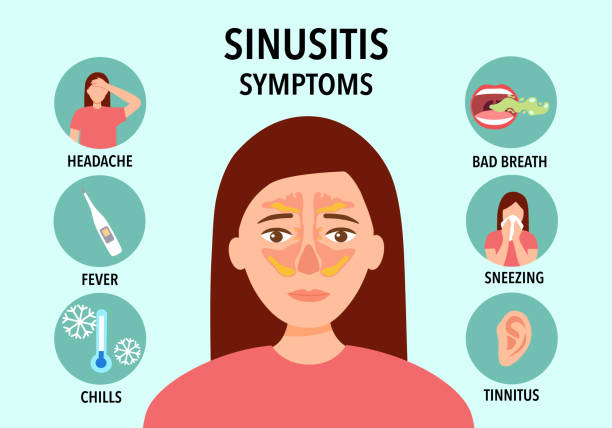
If you have sinus congestion, you may experience several symptoms, including: sinus congestion or stuffy nose, nasal discharge or a runny nose, post-nasal drip or mucus dripping down your throat, facial pain or pressure, headache, cough, sore throat, bad breath, and fatigue.
Major Causes of Sinus Congestion
You may develop sinus congestion for several reasons. The top major causes of sinus congestion are:
Sinus Infections
If you have a sinus infection, it means that your sinus cavities become inflamed, leading to swelling in your sinus tissue. Sinus congestion is one of the main symptoms of sinus infections. You may develop a sinus infection due to the common cold, allergies, nasal polyps, or a shift in your nasal cavity (deviated septum).
Sinus infections can turn chronic, leading to chronic sinus congestion. Addressing the root cause of your symptoms is important.
Mold Exposure
Mold is a fungus that can grow and thrive under many conditions and in most places, especially in a warm and moist environment. It is versatile and can grow both indoors and outdoors. Indoor mold is mostly found in bathrooms, kitchens, and basements where the environment is damp, wet, moist, and warm.
The problem is that even if you have mold in one spot, its microscopic spores can travel and spread far and wide. Mold exposure and mold toxicity may lead to chronic sinus congestion, respiratory issues, allergies, headaches, brain fog, fatigue, as well as other chronic symptoms.
Environmental Allergies
Environmental allergies are your immune system’s reaction to something in the environment that seems harmful to your body.
Environmental allergies may lead to sinus congestion, a runny nose, coughing, fatigue, wheezing, headaches, and symptoms like the common cold.
Common environmental allergies you may encounter include dust mites, pet dander, pollen, mold, and cigarette smoke.
Nasal Polyps
Nasal polyps are small, soft, painless, and non-cancerous growths inside your nasal passages and sinuses. They look like small teardrops that hang like grapes. While they are not dangerous to your health, they can lead to some uncomfortable symptoms.
According to 2008 research, nasal polyps may increase chronic sinus congestion, post-nasal drip, nasal obstruction, or facial pain.
Food Sensitivities
Unlike food allergies, food sensitivities do not tend to cause immediate reactions, such as sudden hives or difficulty breathing. Instead, they lead to chronic symptoms over time as you are consuming foods to which you are sensitive.
A common symptom of food sensitivity is chronic sinus congestion. Other symptoms may include headaches, migraines, digestive complaints, depression, anxiety, brain fog, and fatigue.
The most common food sensitivities include gluten, soy, corn, fish, shellfish, eggs, dairy, peanuts, and tree nuts. However, you may also be sensitive to less common foods as well, so discovering and eliminating your personal food sensitivities can be critical for your health.
Histamine Intolerance
Histamine is a chemical that is responsible for removing allergens from your body as part of your immune response, triggering stomach acid, supporting digestion, and communicating with your brain.
In a healthy body, your body releases certain enzymes to break down and remove histamine build-up. But if you have too much histamine in your body due to a high-histamine diet, nutrient deficiencies, mast cell activation syndrome, gut infections, leaky gut syndrome, or other reasons, your body won’t be able to keep up, leading to excess histamine.
Histamine intolerance means that your body has too much histamine.
This can lead to sinus congestion and other symptoms all over your body, including allergies, skin rashes, headaches, sleep issues, anxiety, digestive issues, hormonal problems, and more.
Natural Support Strategies
If you have sinus congestion, you can support your immune health through natural support strategies.
These strategies may be helpful for the overall health of your immune and respiratory systems.
Anti-Inflammatory Nutrition Plan
Chronic rhinosinusitis is characterized by chronic sinus congestion and related symptoms for 12 weeks or longer because of chronic sinus inflammation. This chronic inflammation may develop due to fungi, viruses, bacteria, airborne irritants, allergens or your diet.
Eating an inflammatory diet may lead to increased symptoms, while an anti-inflammatory diet may reduce your symptoms and support your recovery.
Eliminate inflammatory foods, including refined sugar, refined oil, high-carb meals, sodas and sugary drinks, artificial ingredients, deep-fried food, junk food, and processed foods.
Eat a diet rich in anti-inflammatory foods, including greens, vegetables, herbs, and spices, low glycemic index fruits, fermented foods, healthy fats, pasture-raised beef, poultry, eggs, and wild-caught seafood.
Eliminate Food Sensitivities
If you have chronic sinus congestion, try to identify and eliminate all food sensitivities. To identify your food sensitivities, you can try an elimination diet.
To do an elimination diet, remove all common food sensitivities, including wheat, gluten, soy, fish, shellfish, eggs, corn, dairy, peanuts, and tree nuts, as well as any other foods that you may think can be triggering. Read all labels and eliminate these foods for three to four weeks, then introduce them slowly one by one.
Keep a food diary to record your meals and any symptoms. Leave five days between each introduction and watch your body for reactions. If you notice any negative reactions, immediately remove this food from your diet. You may reintroduce one food, two, or three times to check for false-negative or false-positive reactions. The foods that you are continuously reacting to with any symptoms need to be removed from your diet.
Consider a Low-Histamine Diet
The best way to see if histamine sensitivity is the culprit behind your issues is to try a low-histamine diet.
Eliminate high-histamine foods, including eggplant, spinach, tomatoes, citrus, processed and smoked meats, alcohol, dried fruits, vinegar and vinegar-based foods, fermented and aged foods, soured foods, nuts, and shellfish.
Do a three-week trial to see if your symptoms improve. If your symptoms improve, you may try to reintroduce these foods one by one to see if you can tolerate any of them.
Support Gut Microbiome Health
According to a 2018 study, your gut microbiome may play a critical role in developing chronic sinus congestion. Reducing bad bacteria and improving your gut health is critical for your immune system and may reduce your symptoms.
While eating a gut-friendly anti-inflammatory diet is critical for gut health, you can also take high-quality probiotics to help improve gut dysbiosis, leaky gut syndrome, and poor gut bacterial balance.
Clean Up Your Air Quality
Reducing your risk of environmental allergens is critical for improving your health if you have nasal congestion. Vacuum your home regularly. Invest in an air purifier to rid the indoor air of allergens.
A 2018 study on 46 individuals with self-reported allergies found that using air filtration made a statistically significant difference in nasal allergy symptoms from circulating indoor allergens.
Live plants in your home will increase fresh oxygen around you. Also avoid using conventional toxic cleaning, beauty, and body products, and replace them with natural and organic alternatives.
Acupressure Technique
For immediate relief from sinus congestion, you may try a simple acupressure technique. Place and push your tongue against the top of your mouth. Instead of aiming for a specific point, simply push it flat against the roof. Then put your finger between your eyebrows and apply some pressure.
Hold this position for about 20 seconds. Chances are, you will feel your sinuses beginning to drain. Remember, this strategy is only for temporary symptom relief.
Diffuse Essential Oils
Diffusing essential oils is another strategy that may help you with symptom relief. Peppermint oil, eucalyptus oil, and oregano oil may be particularly supportive.
Studies have demonstrated that peppermint oil may be beneficial for inflammation, and it may help to fight bacteria responsible for sinus congestion.
Studies also found that eucalyptus oil was more effective than a placebo for sinus issues.
It has also been found that carvacrol, a component of oregano oil, may be effective against the bacteria causing sinus congestion.
Use a Neti Pot
Netti pots are small personal hygiene appliances that are shaped like a teapot. They are used for nasal irrigation, which allows you to pour a sterile saltwater solution into your nasal cavity to help relieve symptoms of nasal congestion.
Using a neti pot helps to flush your sinuses, relieves blockages, removes nasal debris, keeps the mucous membrane moist, and improves breathing.
It is important that you carefully follow the instructions on your neti pot and clean your neti pot carefully before using it to avoid infections.
If you are struggling with health issues, call the Advanced Chiropractic & Nutritional Healing Center at 240-651-1650 for a free consultation. Dr. Lo uses Nutritional Response Testing® to analyze the body to determine the underlying causes of ill or non-optimum health. The office is located at 7310 Grove Road #107, Frederick, MD. Check out the website at www.doctorlo.com.
Sources: drjockers.com.
