
A Change of Scenery

by Jeff Yocum
“A Change of Scenery” focuses on day trips from Thurmont that are within 150 miles (give or take). These trips will not include “Disney-level” destinations, but rather, lesser-known points of interest. The purpose of the article is to suggest venues for folks seeking a short, easily accessible change of scenery. In the process, hopefully something will be learned. Some will be historic, some cultural, and others just plain quirky. I confess an ulterior motive for writing this article:
I have a wanderlust addiction.
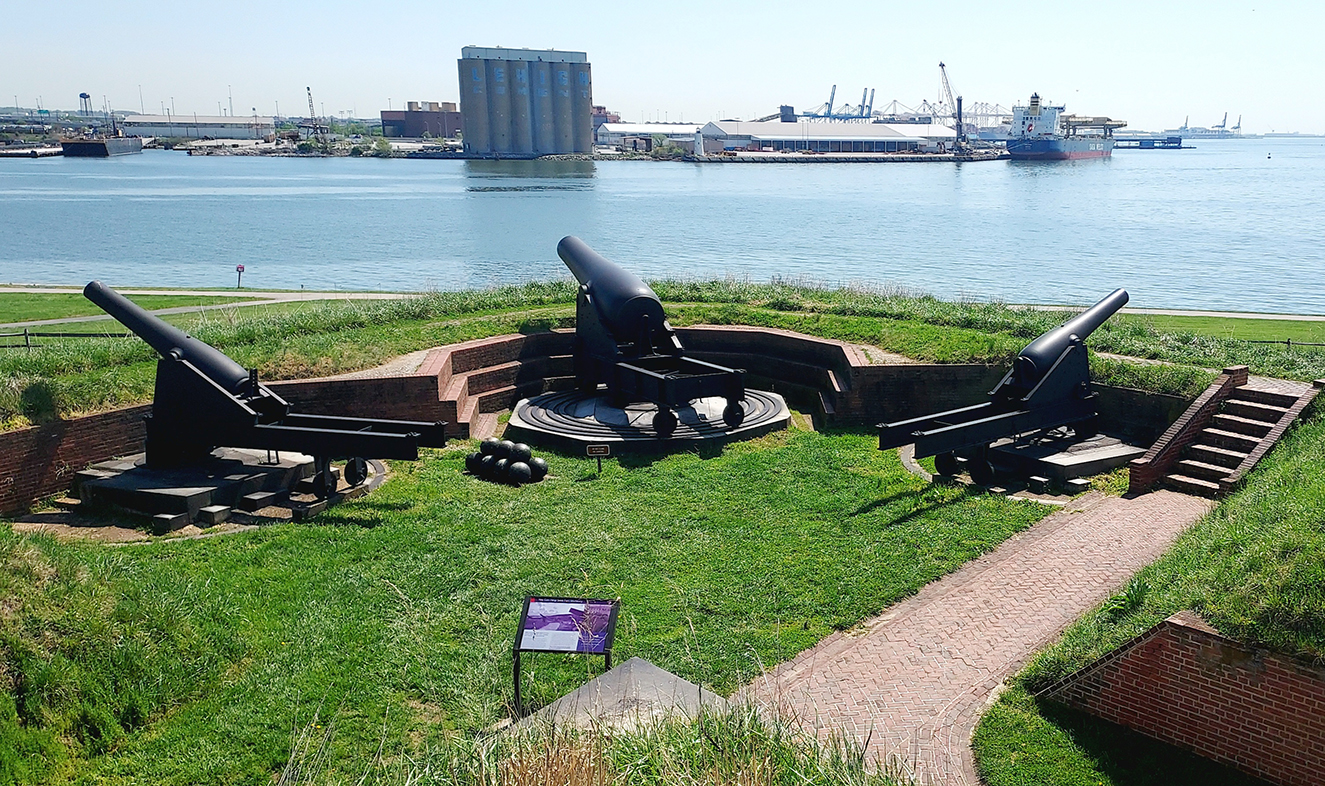
I must admit, America’s 200th birthday seems like it was just a few years ago. I was a clueless junior in college with nothing but an uncharted future ahead of me. Imagine my chagrin to realize that it was 50 years ago—nearly a lifetime! This year will be America’s 250th anniversary.
One of Maryland’s richest possessions is its front row/center seat to all of America’s unfolding history. From colonial times to the American Revolution to the Civil War to the western expansion to world wars to the present, Maryland witnessed it all. Beyond being a bystander, Maryland played key roles in events that were tectonic plates shifting international geopolitical landscapes.
One such nexus of history happened at Fort McHenry. In September of 1814, just 36 years after declaring independence from the world’s most powerful superpower, the United States found itself embroiled once again in another war with Great Britain. Having already raided and torched the upstart nation’s capital, the British set their sights on the major port city of Baltimore.
The British attack was two-pronged, with land forces landing at North Point and were to attack the city from the east. The British Navy was to deliver the sea-borne troops into the Inner Harbor—a classic pincer maneuver. The fledgling nation’s light was about to be snuffed out.
Except… the time between the raid on Washington and their arrival on the outskirts of Baltimore was spent in feverish preparation to meet the British with determined resistance. The land forces that disembarked at North Point were met by Americans and engaged with serious losses before the Americans retreated to the hastily prepared positions of Rodgers Bastion. The British halted their advance. Meanwhile, the British Navy fared little better. It could not sail into the Inner Harbor because of Fort McHenry. The Navy’s guns had more range than the fort’s defender, but any ship testing the fort’s resolve was met with a mauling, as two ships could attest to.
The British Navy did the only option available, which was to stand off and batter the fort. It did so for 25 hours. All day and all through the night until the next morning, September 14, the oversized American flag could be seen through the morning haze. The Americans had prevailed over the British. A young nation defined and defended its identity. And, in the process, found its anthem.
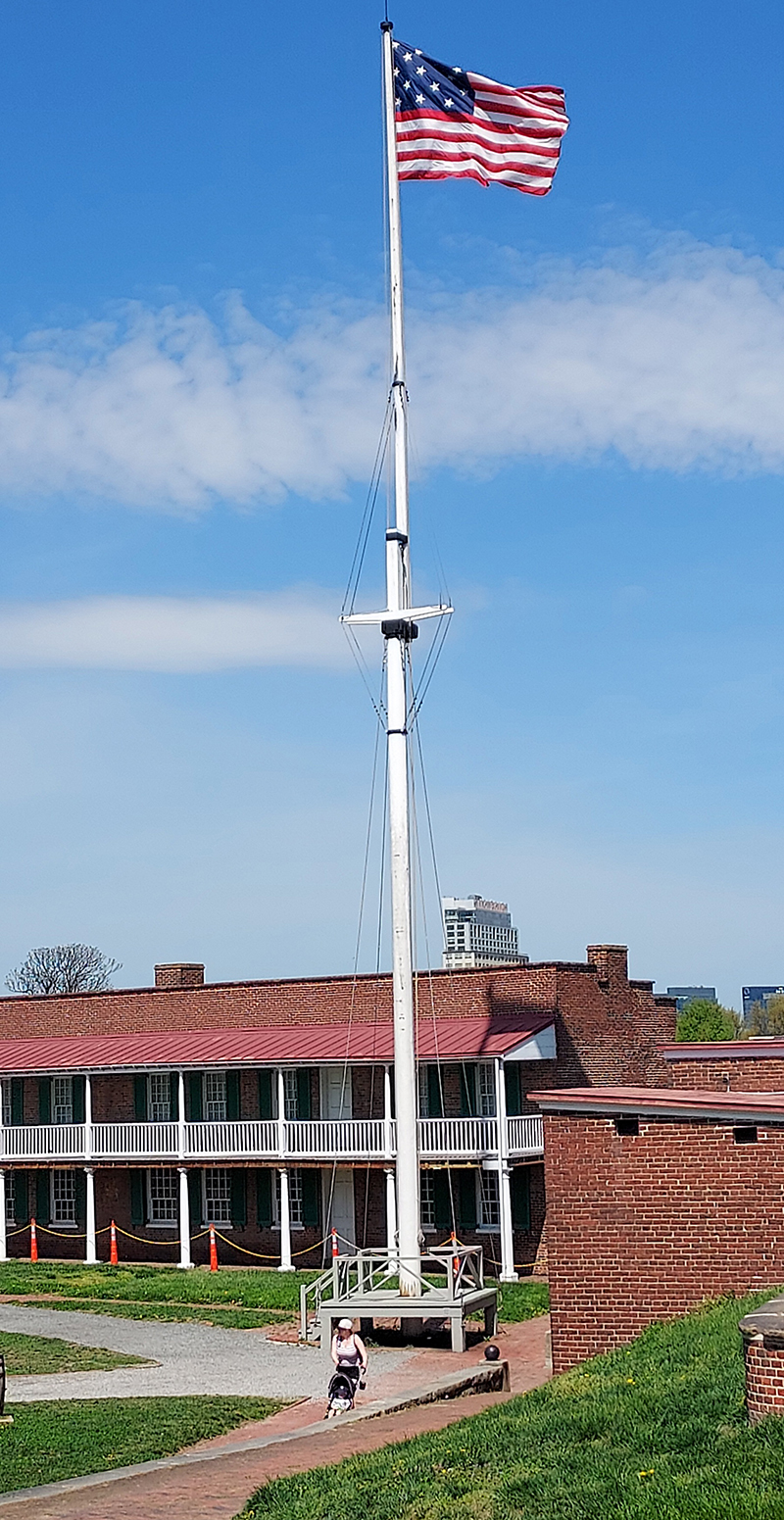
A trip to Fort McHenry is a great way to spend a pleasant day. The history of McHenry is not confined to a two-day event in 1814. The fort found roles during the Civil War and both World Wars. A 3,000-bed hospital complex was housed on the fort’s surrounding grounds for combat-wounded soldiers. Maxillary facial reconstructive surgery was pioneered at the hospital, offering soldiers with horrific facial wounds a chance of returning to a normal life.
If you go, think about bringing a picnic and enjoying lunch by the bay. You watch the ships traverse. The tour of the fort is inspiring. Perhaps the most gratifying moment of my most recent event came at the end of the Visitor’s Center presentation.
The message concludes with the playing of the National Anthem while the shades are raised to reveal the Star-Spangled Banner hoisted above the fort, just as it had been on that morning in 1814. The real pleasure was seeing the dozens of school children standing up, respectfully, with their hands over their hearts. I found a measure of hope for our country.
